
Interactive 3D for the web
Create product and environment exploration directly in a browser. Plan loading, input controls and a useful fallback for less capable devices.
Immersive experiences
Make complex ideas something people can explore. Interactive 3D, spatial interfaces and digital experiences with a clear purpose beyond the visual effect.
Discuss your project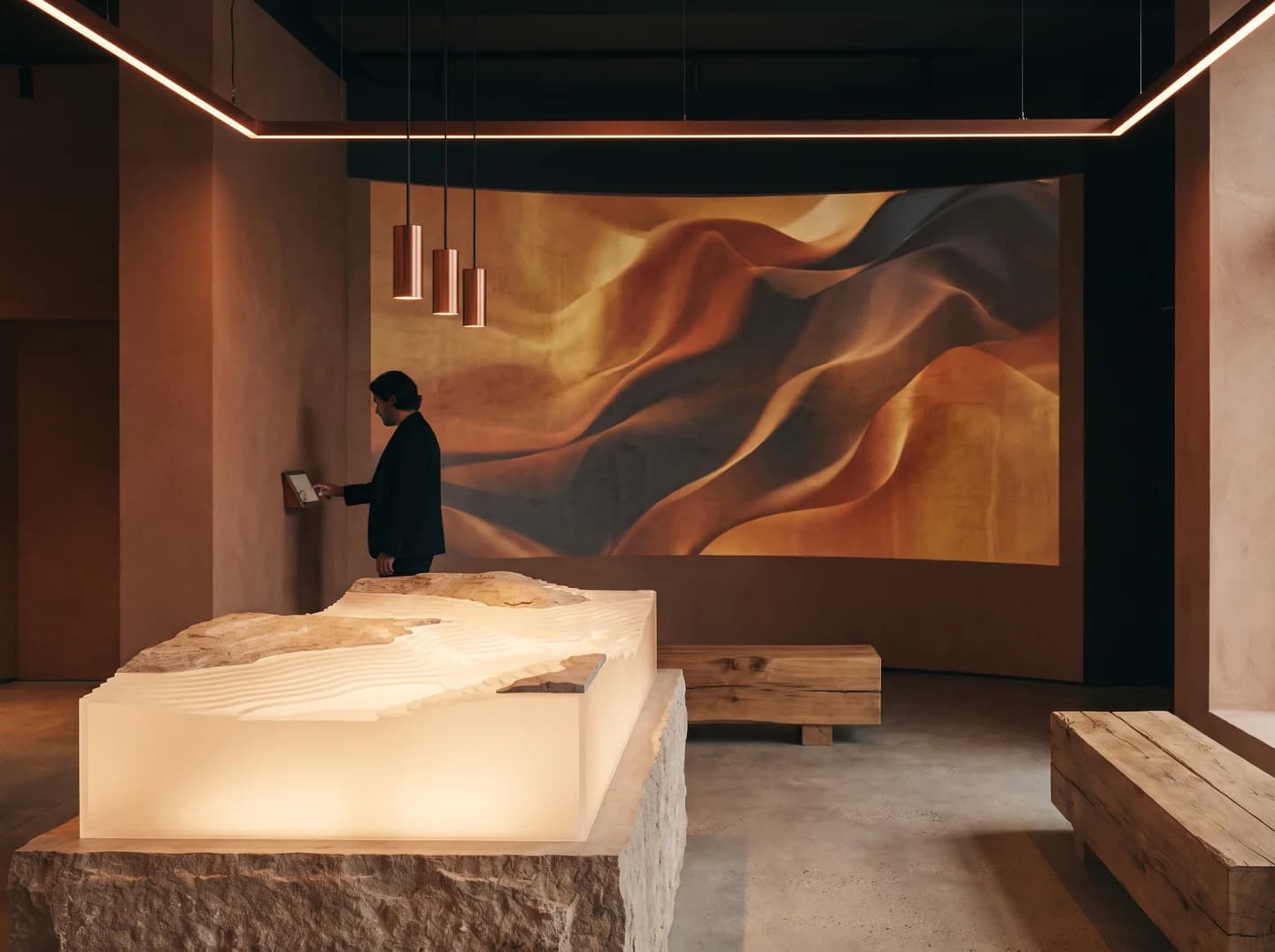
Built around your operation
An immersive experience succeeds when people know what to do and learn something useful. Start with the audience, the setting and the decision or understanding the experience should support.
For experience teams, property operators, educators and product organisations.
Practical use cases
Create product and environment exploration directly in a browser. Plan loading, input controls and a useful fallback for less capable devices.
Connect digital content to a physical setting through agreed hardware and input methods. Test the experience under real lighting, space and operating conditions.
Structure interactive explanations around a learning objective. Use clear prompts, feedback and alternative content so the experience remains understandable.
A focused first step
Start with a bounded workflow and agree what improvement would look like. These are potential evaluation measures, not claimed project results.
Relevant capabilities
Before we begin
Not necessarily. Browser-based 3D can run on a standard screen. A headset or dedicated installation is appropriate only when it supports the intended experience and audience.
Yes, subject to usage rights and suitability. Models may need optimisation, material adjustments and interaction design to work well on the target devices.
A static image, video or conventional interface can provide the essential information. We define the fallback alongside the primary experience rather than leaving it until launch.
Start a conversation
Tell us what you want to improve. We’ll help turn the problem into a practical engineering scope.
Discuss your project